
Video production
Video and photo production planning for better campaign results
Strong production work begins long before the camera turns on. When brands plan photo and video production around real campaign goals, they get assets that are easier to use across websites, ads, social content and sales materials. When planning is weak, teams often spend good money on shoots that look polished but do not solve the marketing problem. Better preparation makes the creative output more useful, more flexible and more commercially effective.
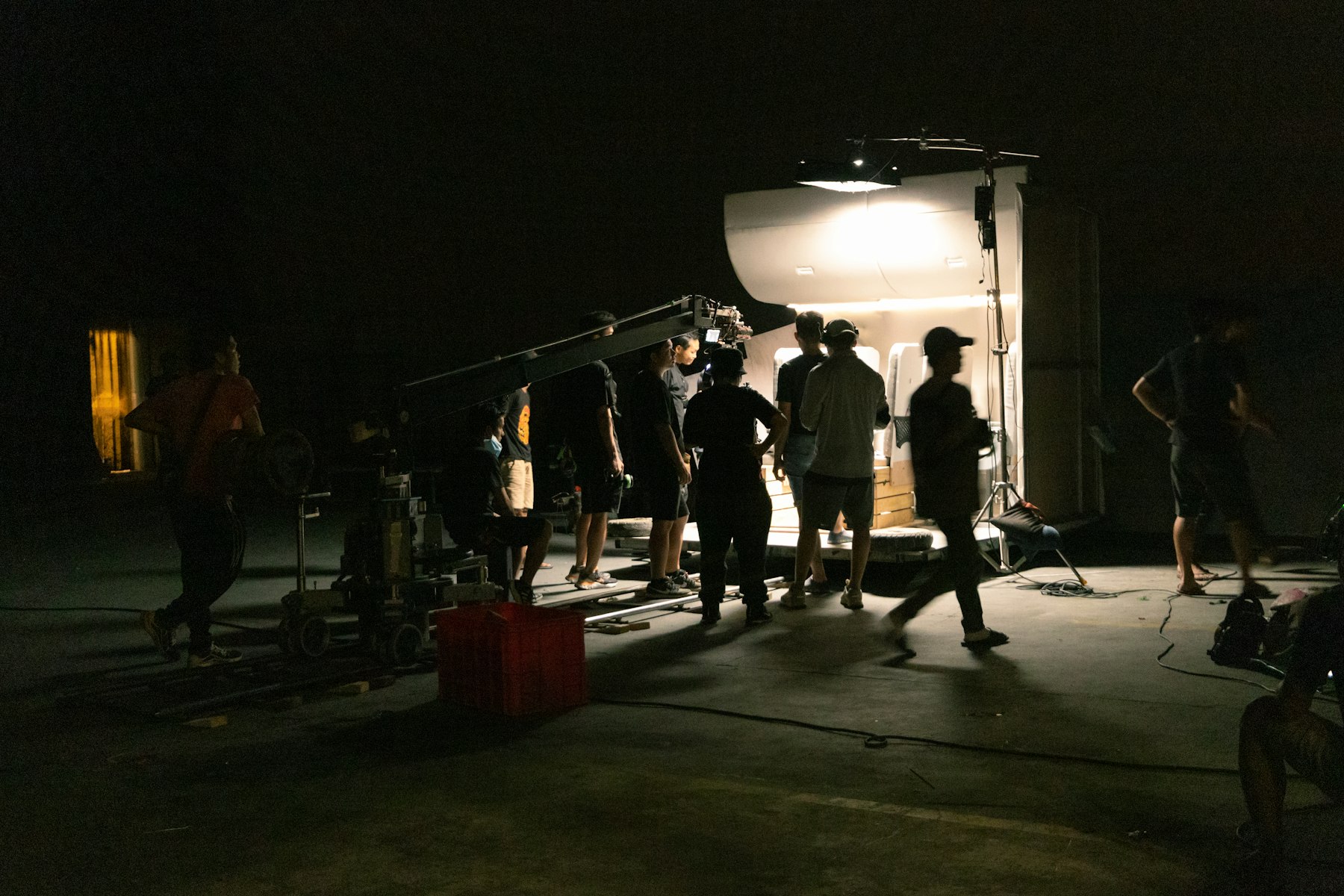
Production should answer a marketing brief, not only a creative brief
Photo and video production often goes wrong at the strategy stage. A team agrees that fresh visuals are needed, then moves quickly into moodboards, locations, talent or equipment without fully defining what the assets must actually achieve. The result can be attractive footage that is difficult to use. It may not fit the landing page structure, it may not support the offer, it may miss key product or service proof, or it may work in one format but fail across the wider campaign system.
A stronger approach begins by linking production to marketing decisions. What campaign is this supporting. Which customer concern should the visuals reduce. What impression should the website create in the first ten seconds. Which scenes are needed for paid social, article headers, case studies, proposals or presentation decks. When production is built around these practical questions, every shot has a job. That makes the final library more valuable and reduces the chance of spending on content that looks expensive but performs weakly.
Define usage before you define shots
One of the most useful planning habits is to map asset usage before building the shot list. A brand may need hero footage for the homepage, short vertical clips for paid social, stills for service pages, behind-the-scenes content for organic posts, interview cutdowns for remarketing, and supporting frames for blog articles or email campaigns. Each use case creates different requirements for framing, orientation, pacing, background detail and copy overlays. If these needs are not identified early, the team ends up trying to force one set of visuals into too many jobs.
Usage mapping also protects efficiency on shoot day. The crew can organise scenes that serve multiple outputs at once, rather than improvising coverage in the moment. A founder interview can feed the website, case studies and paid remarketing. A product demonstration can generate horizontal edits, short social cutdowns and still images for landing pages. A team shoot can support recruitment, culture content and service pages if the required angles and scenarios are planned intentionally. This kind of planning helps a single production day create much more downstream value.
The best shot lists are structured around proof
Many brand shoots focus too heavily on atmosphere and not enough on proof. Atmosphere matters because it shapes perception, but proof is what helps a buyer trust the offer. For a service business, proof may include team collaboration, process detail, customer interaction, workshop moments, production setups, planning boards, reporting dashboards or delivery environments. For a product brand, proof may include use context, detail shots, scale, handling, packaging, outcomes and comparison moments. The camera should capture evidence, not only polish.
This is especially important for B2B and service marketing. Buyers want reassurance that the team is real, competent and organised. They want to see the kind of work environment, process detail and execution quality that supports the claims on the page. When production captures these proof signals, visuals become more persuasive. They help landing pages feel grounded, case studies feel credible and campaign messages feel earned rather than generic.
Production quality is also about editing decisions
The value of a shoot is shaped heavily in post-production. Editing determines whether the material becomes a usable asset system or just a pile of files. Good editing considers pacing, crop flexibility, text-safe areas, motion rhythm, cutdown logic, subtitle space, thumbnail frames, colour consistency and export needs for different channels. These decisions affect whether the content works in real marketing environments where attention is limited and placements change quickly.
A common mistake is to deliver one polished hero film and leave the rest of the marketing team with little else to work with. A smarter delivery package includes structured cutdowns, short hooks, still frame selections, vertical and horizontal variants, and clearly labelled asset groups for different campaign contexts. The more the production output is organised around actual use, the easier it becomes for marketers to deploy the material quickly and consistently.
Budget works harder when planning reduces waste
Production budgets do not fail only because they are too small. They often fail because too much time and money are spent capturing content that never becomes useful. Reshoots happen because the team forgot a format. Extra editing rounds happen because no one defined the core message. Assets go unused because the visual direction does not match the landing page or campaign promise. These failures are avoidable when planning is treated as part of the production itself rather than an optional prelude.
Good planning improves budget efficiency in several ways. It shortens feedback loops, helps crews prepare the right setups, reduces duplication between photo and video capture, and increases the number of usable assets per shoot. It also gives stakeholders better visibility into what they will receive. That lowers the risk of last-minute surprises and makes approvals easier. In practical terms, planning is one of the cheapest ways to improve production outcomes.
Campaign alignment matters after the shoot too
Production does not end when files are delivered. The marketing team still needs to turn those assets into real customer journeys. That means aligning visuals with landing page copy, ad messages, content sequencing, calls to action and distribution timing. A powerful image can lose value if it is placed next to weak messaging. A strong video clip can underperform if it does not connect to the promise made in the ad. The best production work stays useful because it is integrated into the wider campaign system.
This is where many brands leave value on the table. They invest in production, then treat the output as isolated content rather than a strategic asset library. The stronger move is to think in sets: which scenes support awareness, which frames support conversion, which clips support remarketing, which stills strengthen service pages, and which edits can continue working in later campaigns. When the library is planned and managed this way, production keeps paying back long after launch week.
How Smart Heads approaches production for marketing use
Smart Heads approaches video and photo production as part of a broader marketing workflow. The planning phase connects campaign goals, target audiences, channel formats and proof priorities before the shoot begins. That helps define the scenes, coverage and delivery structure that the business will genuinely use. It also helps creative teams make sharper decisions about locations, lighting, talent direction, interview prompts and post-production outputs.
When production is planned this way, the final result is not just a nice set of visuals. It is a working content system that supports campaigns, websites, social publishing and sales communication with much less friction. Brands get assets that are easier to repurpose, easier to deploy and more believable in context. For companies investing in photo and video to improve marketing performance, that shift from isolated content to planned campaign support is where the biggest return usually appears.